"This case study showcases my UI/UX design work on a project I contributed to at my company. While I am not sharing any sensitive or business-specific data, the focus is on my design process, problem-solving approach, and key takeaways."
Integrated, flexible, scalable, customer-centric, web-enabled end-to-end insurance software solution for insurers.
To create a user-centric platform that allows agents to perform their tasks easily
UX/UI Lead
Design system
Lo-fi & Hi-fi prototyping
Analytics
100+ Multi diversity team, Including Dev, UI/UX ,QA, Product Owner and PM
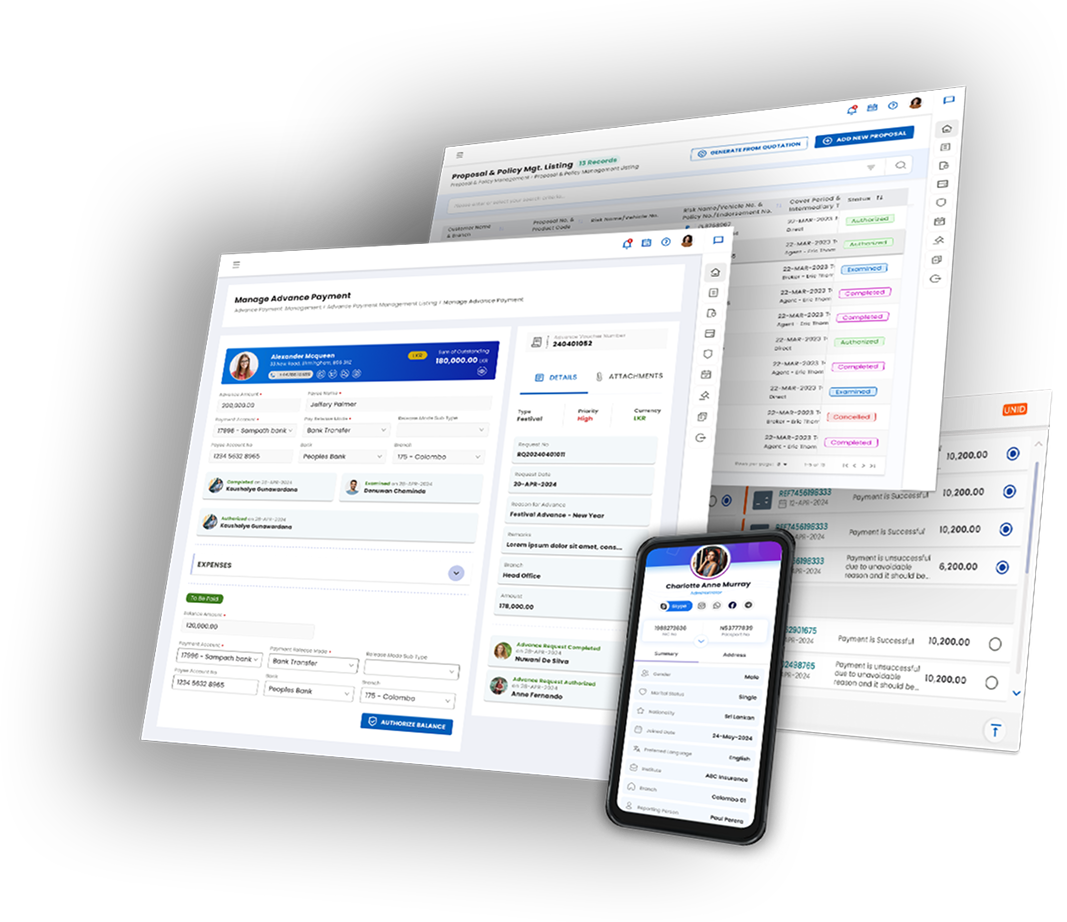
infoins, powered by Informatics International, empowers insurance agencies to optimize their operations while supporting insurance companies to achieve sustainable and quantifiable growth. With Infoins, insurance providers
The goal was to develop an intelligent insurance management application that enables agencies, brokers, and companies to streamline operations, drive sustainable growth, and enhance customer outcomes. Leveraging an expert knowledge database, the system identifies high-value opportunities and delivers data-driven insights. As it evolves, AI-driven analytics will refine decision-making, optimizing performance and maximizing results for the insurance industry
Here are some sticky note ideas for B2B insurance web-based application iterations
.jpg)
Key Pain Points to Focus on for a B2B Insurance Web-Based Application
Complex & Time-Consuming Onboarding
Managing Multiple Policies Efficiently
Security & Compliance Risks
Slow & Inefficient Claims Processing
Complex & Time-Consuming Onboarding
Slow & Inefficient Claims Processing
Creating a centralized design system was a significant challenge due to the product’s complexity and my new role in leading the system. Since I had no prior experience in this, I spent weeks researching—reading articles, watching videos, and studying books—to fully understand the process before diving in.
I initially planned to follow Atomic Design but found that as the system scaled, maintaining strict atomic principles made things unnecessarily complex. Instead of following it rigidly, I modified the approach to be more practical and scalable
Let me show you the foundations that need to be laid to start building up a powerful Design System
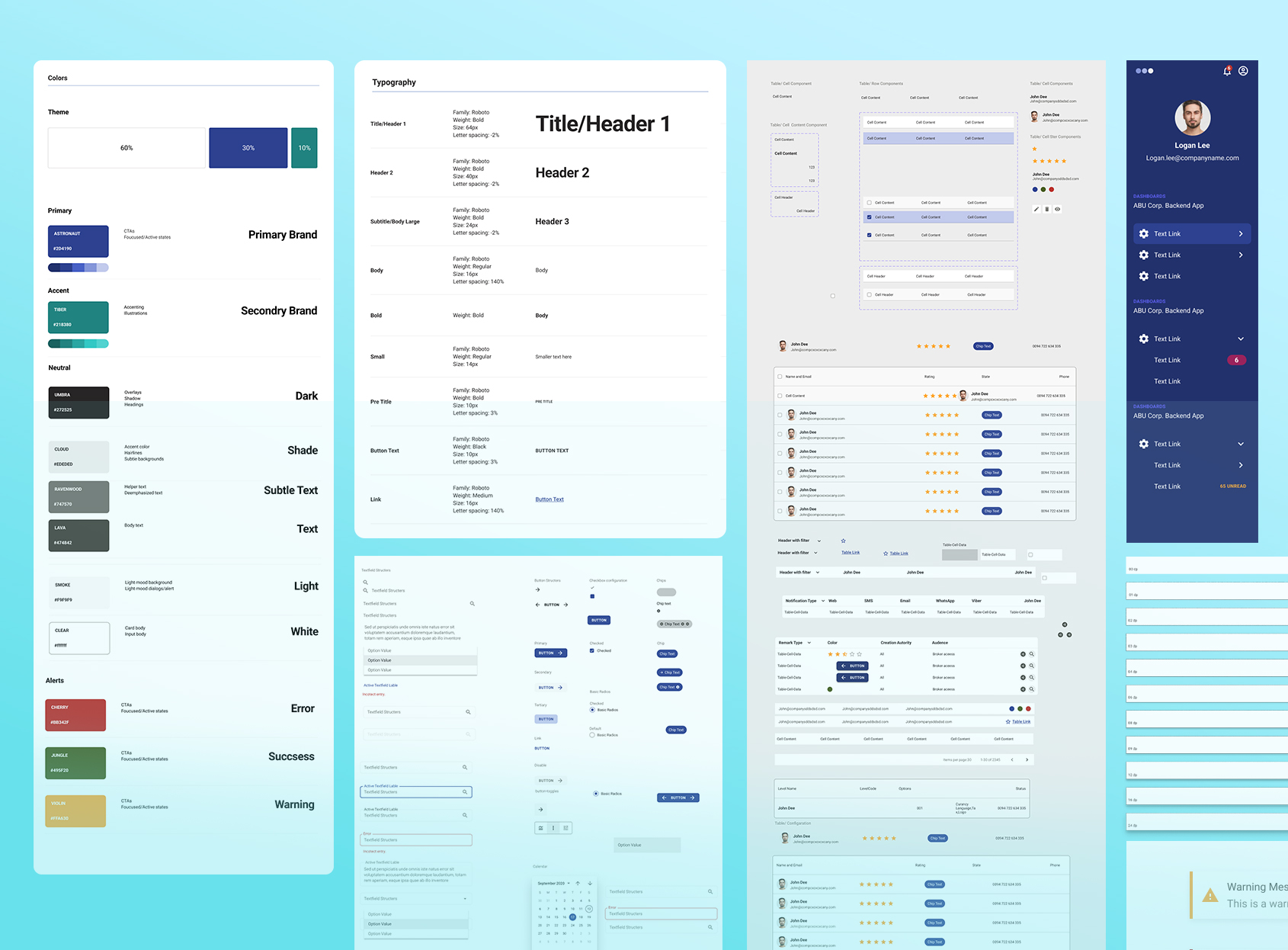
Creating a centralized design system was a significant challenge due to the product’s complexity and my new role in leading the system. Since I had no prior experience in this, I spent weeks researching—reading articles, watching videos, and studying books—to fully understand the process before diving in.
I initially planned to follow Atomic Design but found that as the system scaled, maintaining strict atomic principles made things unnecessarily complex. Instead of following it rigidly, I modified the approach to be more practical and scalable
Design System Architecture
.jpg)
User testing was an ongoing process throughout the project. At each milestone, I gathered feedback to identify key pain points. After collecting input, I would update the prototypes and test them again.My goal was to create a clean, minimalist UI that would help agents improve their daily tasks.
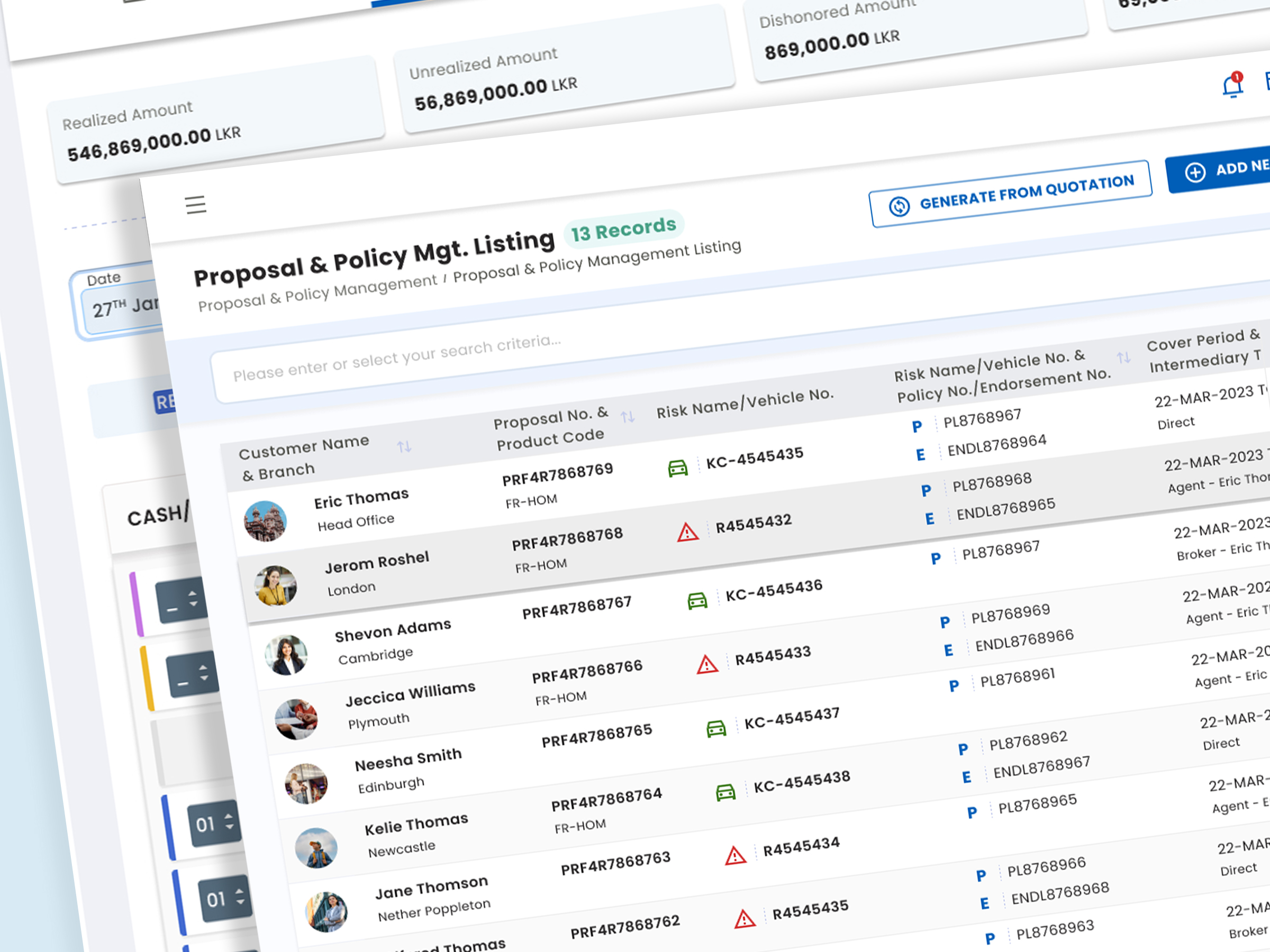
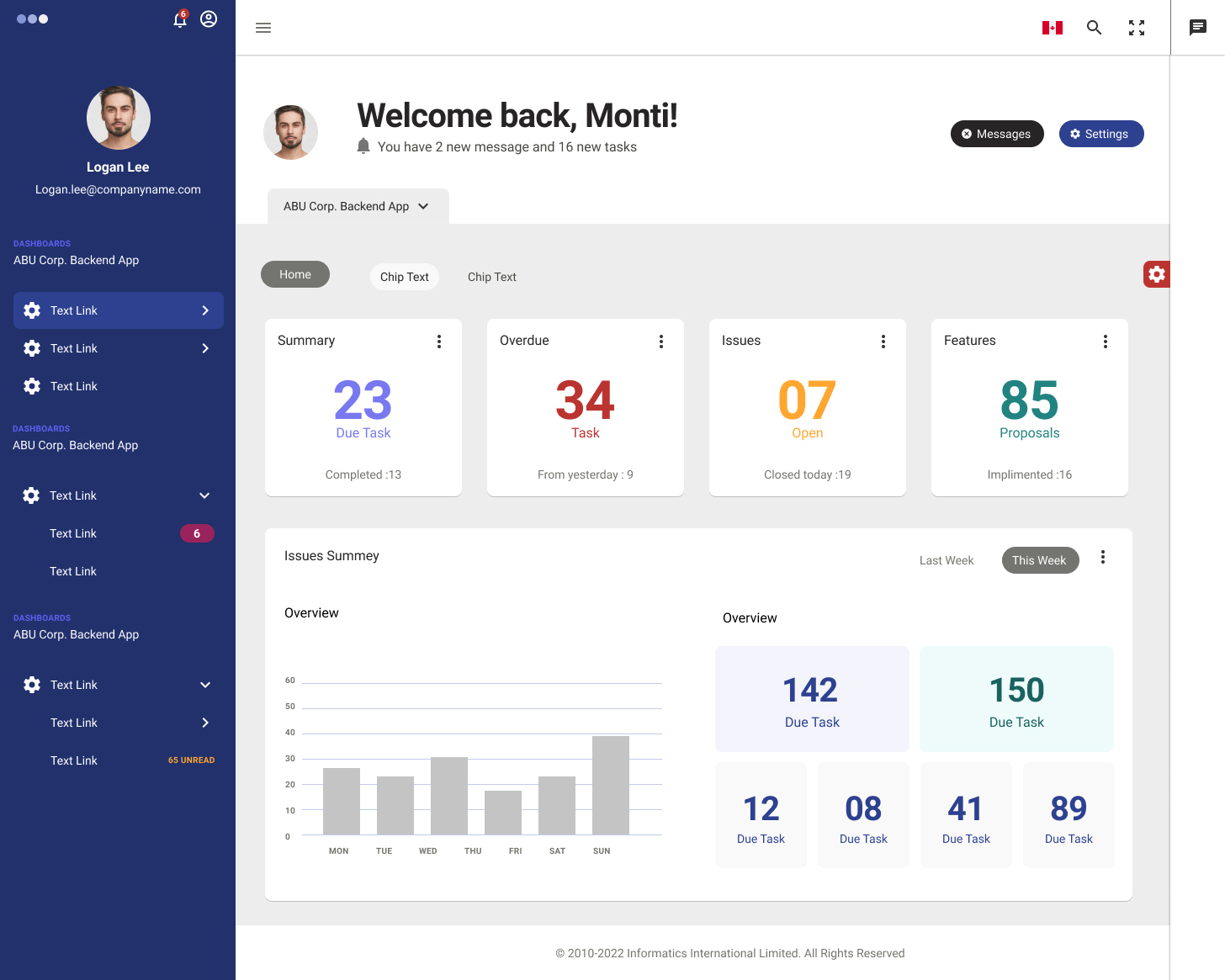
The dashboard is built on business insights. Agents can easily plan and start their journey from any location they choose.
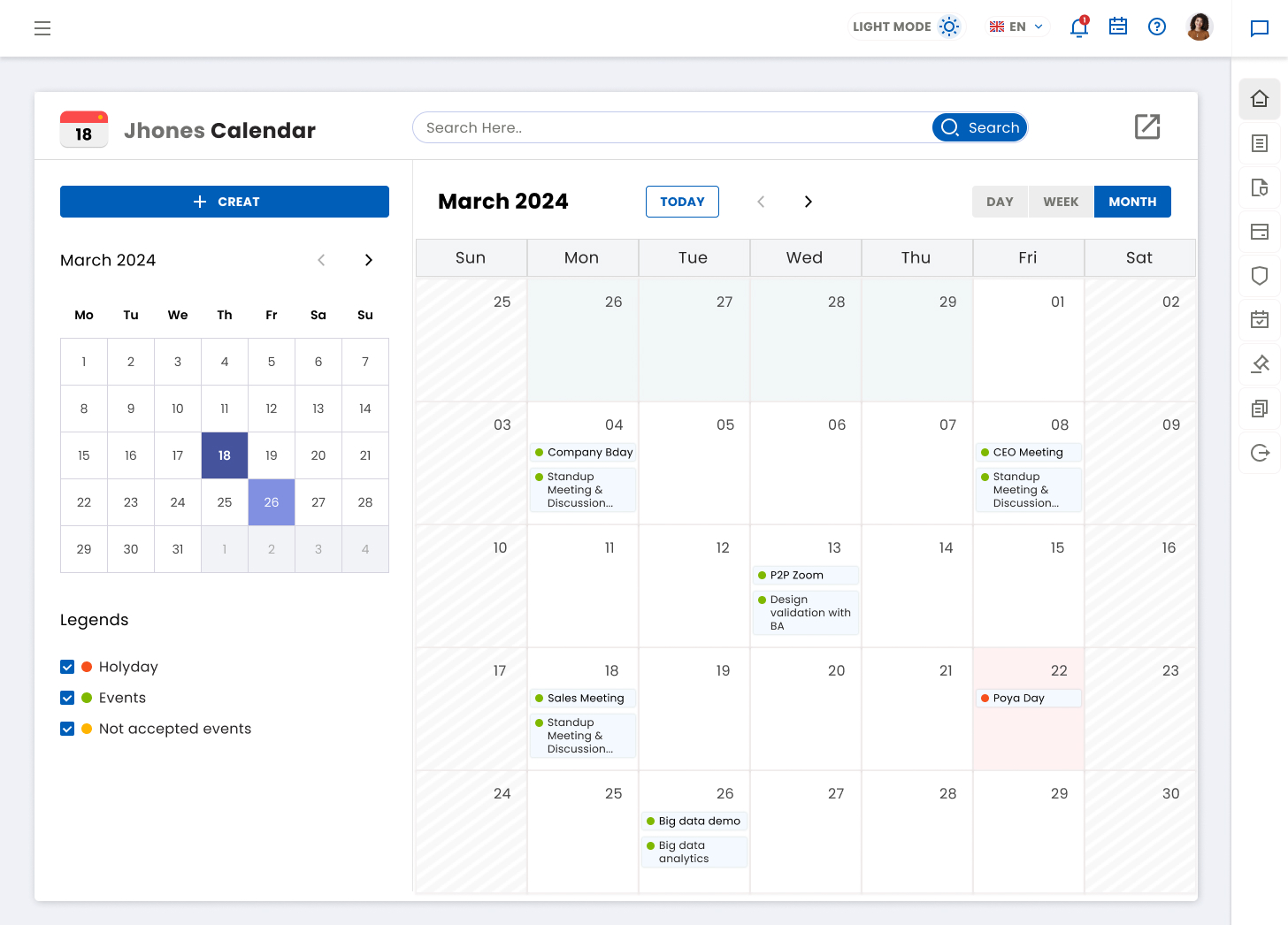
An Expected Calendar in a B2B insurance product dashboard would be a visual representation of key dates, tasks, and deadlines related to policies, claims, renewals, and broker activities. It helps insurance companies and brokers track important events efficiently.
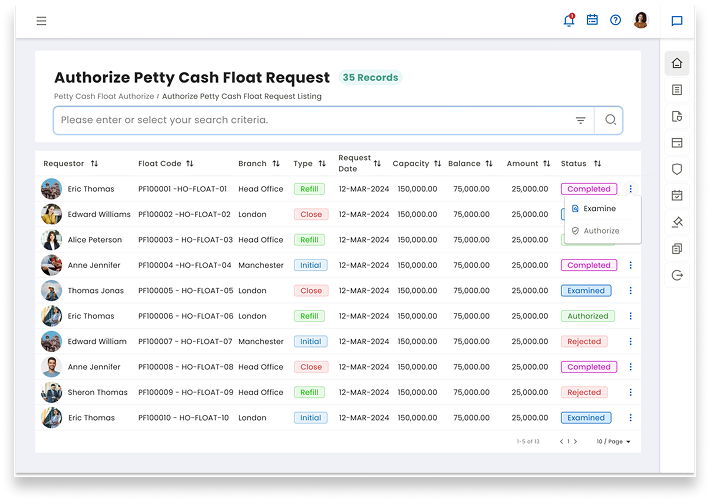
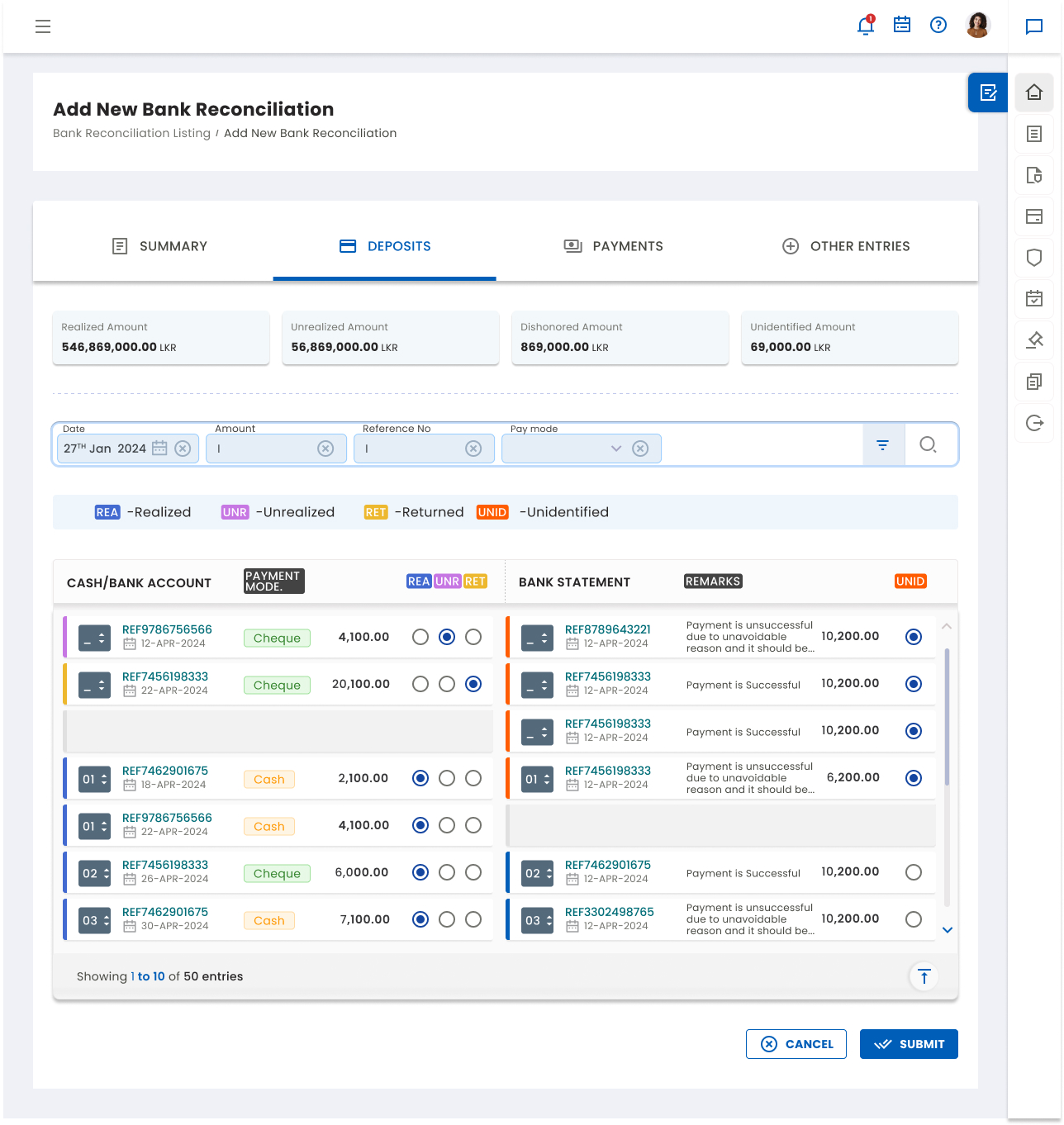
“These are the sample screens I can share. I have avoided displaying additional screens due to business-sensitive data and confidentiality considerations.”
As the Lead UX Designer, I was involved in the entire design process from the initial sketches to the final implementation. I closely collaborated with Business Analysts, Product Builders, and the Development Team to ensure a user-centered approach. We followed a structured design sprint methodology to rapidly ideate, prototype, and validate solutions. Once the design was finalized, we transitioned to development using an Agile process, continuously refining the product based on user testing and feedback. We are now focusing on enhancements to further improve the user experience.